
Steady flight path
A constant stream of insects to and from one point on the roof line, wall or shed.
Emergency call-outs across London · Offices in Central London, Greenford, Tooting & Ilford Call 020 7282 6881
A nest in the loft, the shed or the eaves can hold thousands of wasps by late summer. We treat it safely, usually in a single visit.
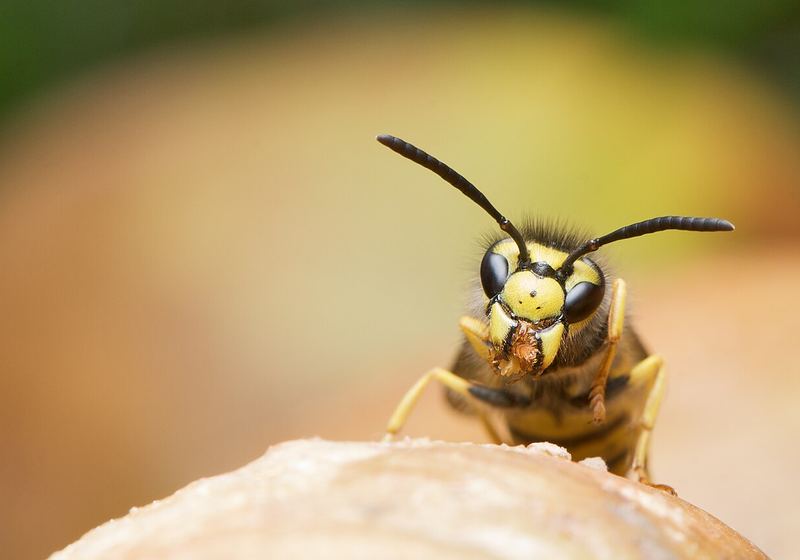
Wasps defend their nest aggressively, and a disturbed colony can sting repeatedly. Blocking the entrance or spraying from a ladder is how most people get hurt, and it often pushes the wasps into the house instead.
Bees are different. They are valuable pollinators and are rarely a real danger, so we always identify what you have first. Honey bee swarms can often be collected by a local beekeeper, and bumblebee nests usually die out naturally by the end of summer.
Spotted one or more of these? It's worth a call. Identification and advice over the phone cost nothing.
A constant stream of insects to and from one point on the roof line, wall or shed.
A grey, papery ball or dome in a loft, garage, shed or hedge.
A low hum or crackling from a cavity, especially in the evening.
Wasps repeatedly appearing in one room, often near a loft hatch or light fitting.
Pale scraped lines on fences and garden furniture where wasps gather nest material.
A hanging cluster of bees on a branch or wall — this needs a beekeeper, not a treatment.
Multiple stings are painful, and for people with allergies they can be life-threatening.
A nest the size of a golf ball in spring can hold several thousand wasps by August.
Nests near doors, bins and outdoor seating quickly become a problem for businesses.
Sealing the entrance traps wasps in the building and can send them through ceilings and vents.
Every job follows a written treatment plan, so you know what will happen, when, and what we need from you.
We confirm whether you have wasps, hornets or bees before anything is treated.
The area is cleared and the technician works in full protective equipment.
For wasps, an insecticidal dust is applied at the nest entrance; returning wasps carry it inside.
The colony dies off, typically within a day or two. We advise on sealing the entry point afterwards.
Treatment solves today's problem. These habits help make sure it stays solved.
Treating the nest kills the colony, which is what solves the problem. An old nest is never reused, so it can safely be left in place; if it is accessible we can discuss removing it.
Only as a last resort and where there is a genuine risk to people. We identify the species first and will recommend relocation by a beekeeper or leaving the nest alone wherever that is the right answer.
Activity usually drops within hours and the nest is normally dead within a day or two. Keep windows near the nest closed in the meantime.
Yes, in almost all cases. Your technician will tell you if any area needs to be avoided for a short time.
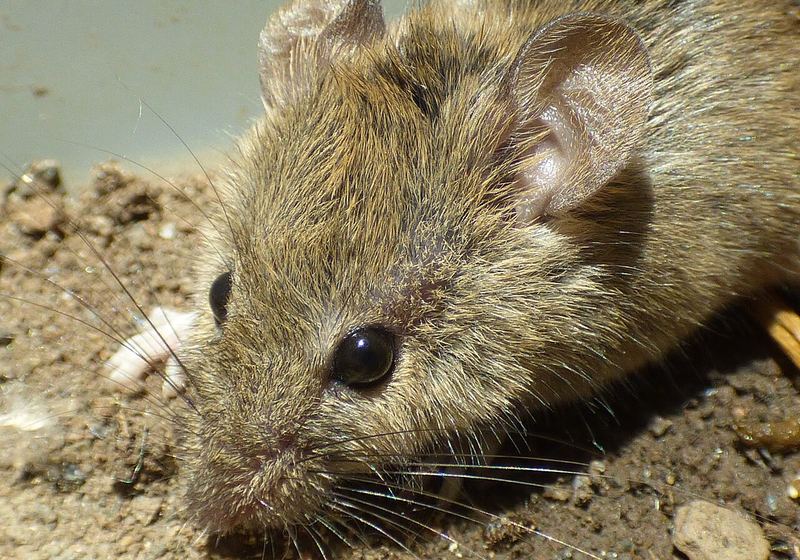
Rodent control for homes and businesses, entry-point proofing, and clean-up once they're gone.
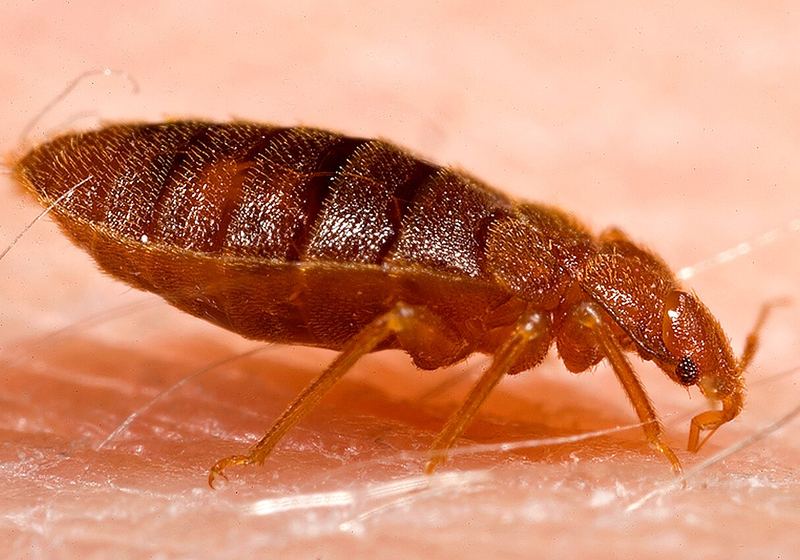
Discreet, thorough treatment of beds, furniture and rooms, plus advice to stop them returning.
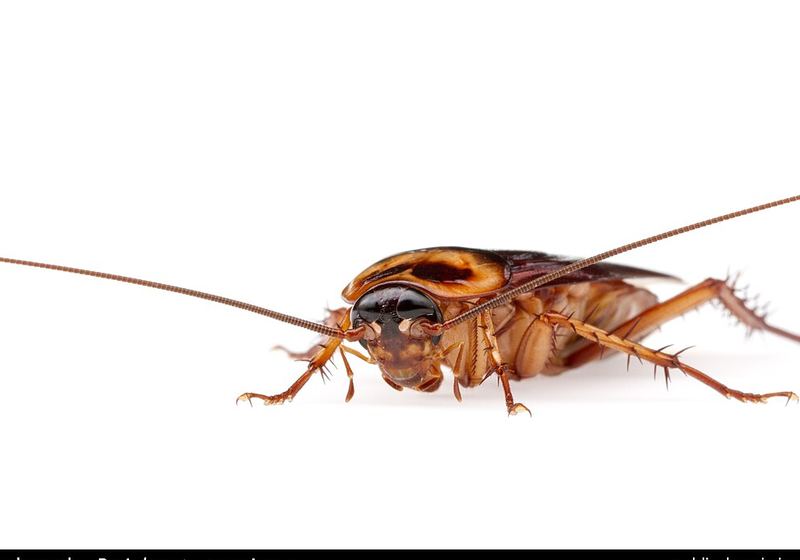
Targeted control for homes, flats and commercial kitchens, followed up until they're gone.
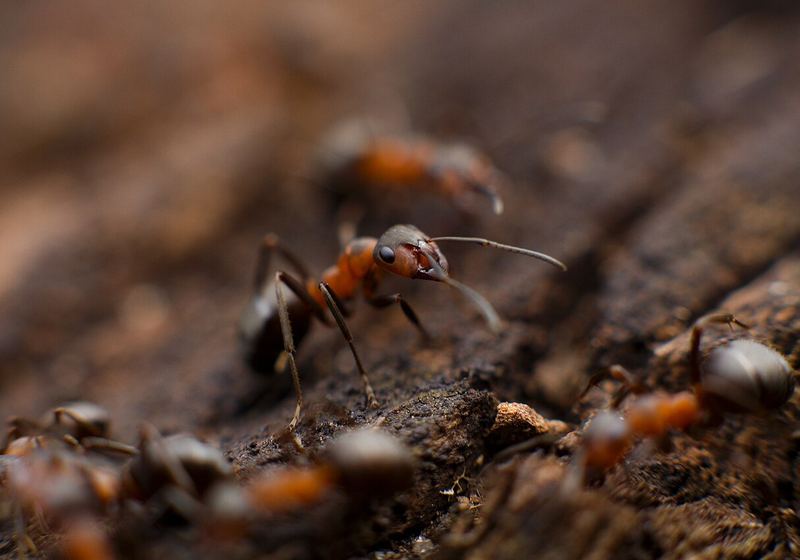
Experts at controlling ants, fleas and crawling insects in and around the home, at the source.
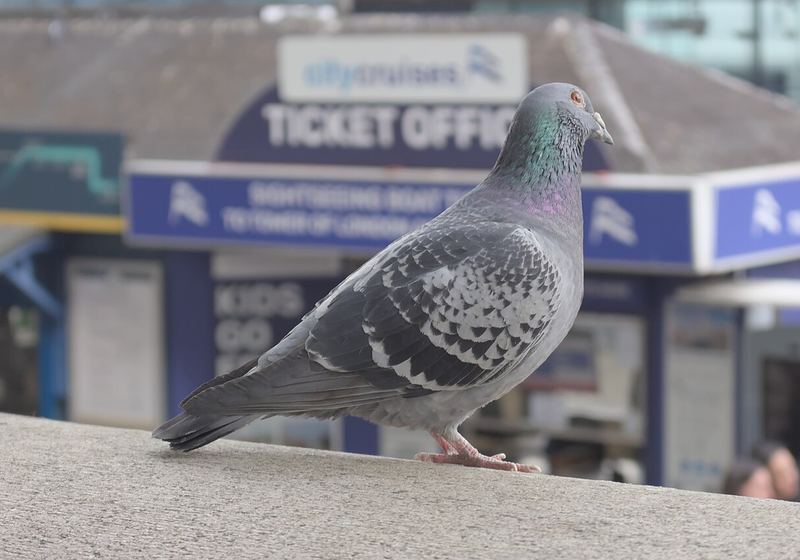
Deterrents, netting and exclusion work to keep birds and squirrels off roofs, lofts and ledges.
Speak to a qualified technician now, or leave your details and we'll call you back within the hour.