
Ant trails
Lines of ants running between a gap in the wall or floor and a food source.
Emergency call-outs across London · Offices in Central London, Greenford, Tooting & Ilford Call 020 7282 6881
Ant trails across the worktop, flea bites round the ankles, moths in the wardrobe. We identify exactly what you have and treat the source, not just the insects you can see.
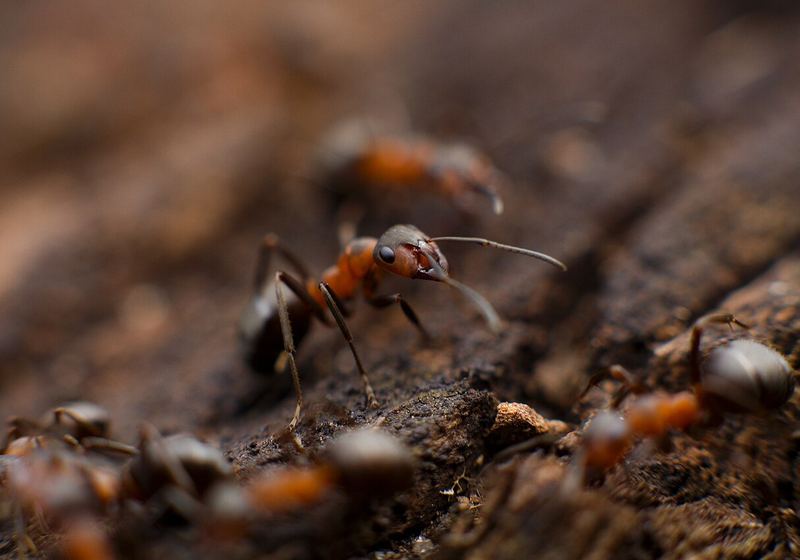
Garden ants, pharaoh ants, cat fleas, clothes moths and cluster flies all need different approaches. Spraying the insects you can see deals with a fraction of the population and, with some ant species, can split the colony and make things worse.
Our technicians identify the insect, find where it is breeding and treat that. You also get clear advice on vacuuming, washing and storage so the treatment has the best chance of working first time.
Spotted one or more of these? It's worth a call. Identification and advice over the phone cost nothing.
Lines of ants running between a gap in the wall or floor and a food source.
Small heaps of fine soil or sand by paving, door thresholds and skirting.
Small, itchy bites on lower legs, often after a pet has been in the room.
Constant scratching or tiny black specks of flea dirt in your pet's coat.
Irregular holes in wool, silk and carpets, with webbing or cases nearby.
Large numbers of flies gathering in lofts or on sunny window frames.
Flea eggs fall into carpets and bedding and can keep hatching for weeks.
Moth and carpet beetle larvae quietly destroy clothing, rugs and upholstery.
Ants and flies carry bacteria from bins and drains onto food surfaces.
Flea pupae lie dormant in vacant homes and hatch when new occupants move in.
Every job follows a written treatment plan, so you know what will happen, when, and what we need from you.
We confirm the species and how far the problem extends.
Nests, breeding sites and entry points are located inside and out.
Gel baits, residual sprays or dusts are applied where they will reach the colony or breeding site.
You get simple steps for cleaning, pet treatment and storage, and we return if a follow-up is needed.
Treatment solves today's problem. These habits help make sure it stays solved.
Yes. Identification is the first part of every visit. If you can, keep a sample in a sealed bag or take a clear photo.
For fleas, yes. We treat the property and your vet or a vet-approved product should treat the animal, otherwise the fleas will simply return.
Vacuum thoroughly, clear floors as much as possible and wash pet bedding on a hot cycle. After treatment, avoid washing floors for the period your technician advises.
Often, yes, but it depends on the insect. We'll tell you on the first visit whether a follow-up is likely.
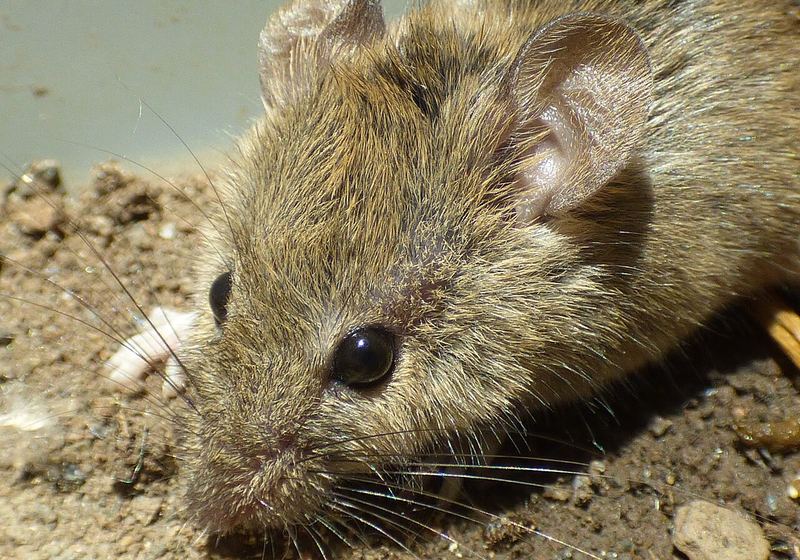
Rodent control for homes and businesses, entry-point proofing, and clean-up once they're gone.
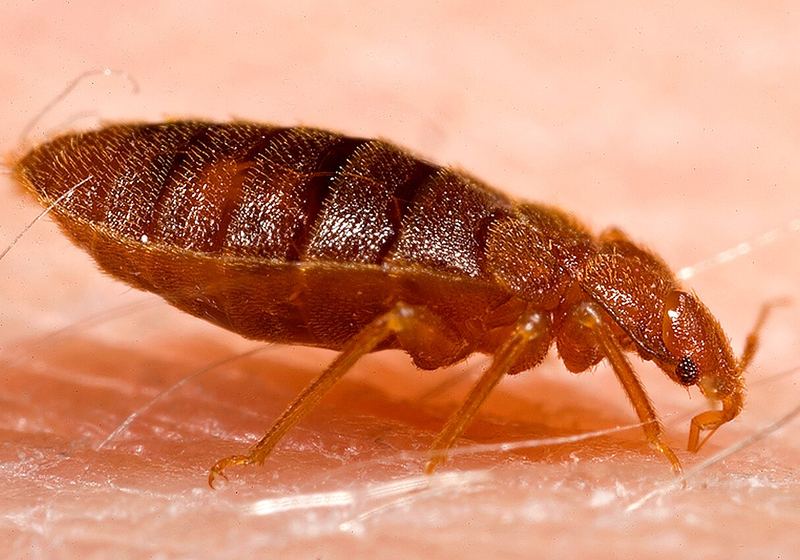
Discreet, thorough treatment of beds, furniture and rooms, plus advice to stop them returning.
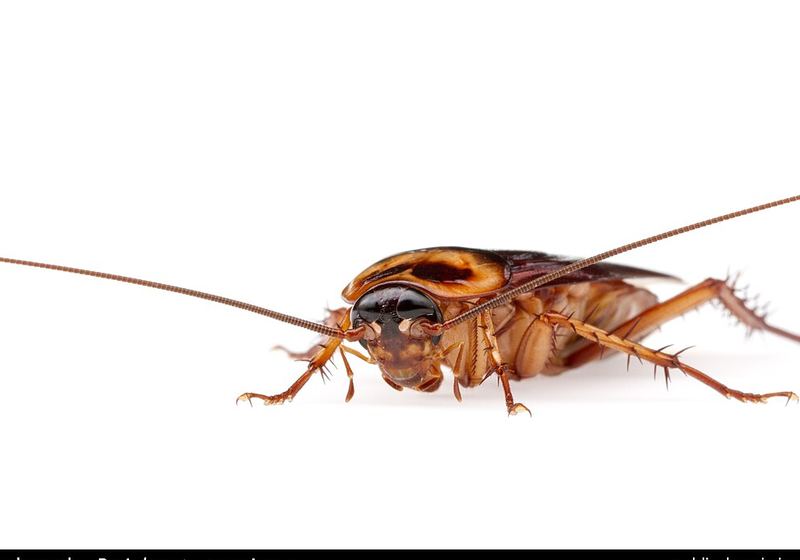
Targeted control for homes, flats and commercial kitchens, followed up until they're gone.
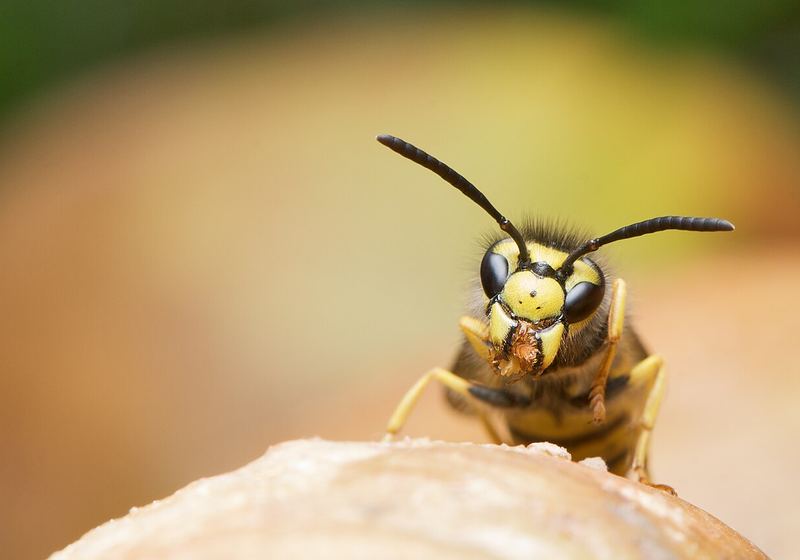
Safe wasp nest treatment and sensible advice on bees — fast, during the busy summer season.
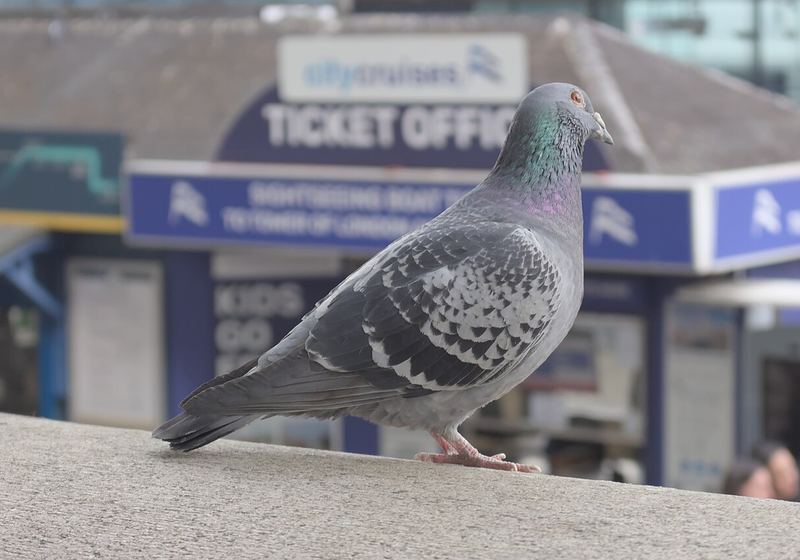
Deterrents, netting and exclusion work to keep birds and squirrels off roofs, lofts and ledges.
Speak to a qualified technician now, or leave your details and we'll call you back within the hour.